AI Geopolitic panelist profile

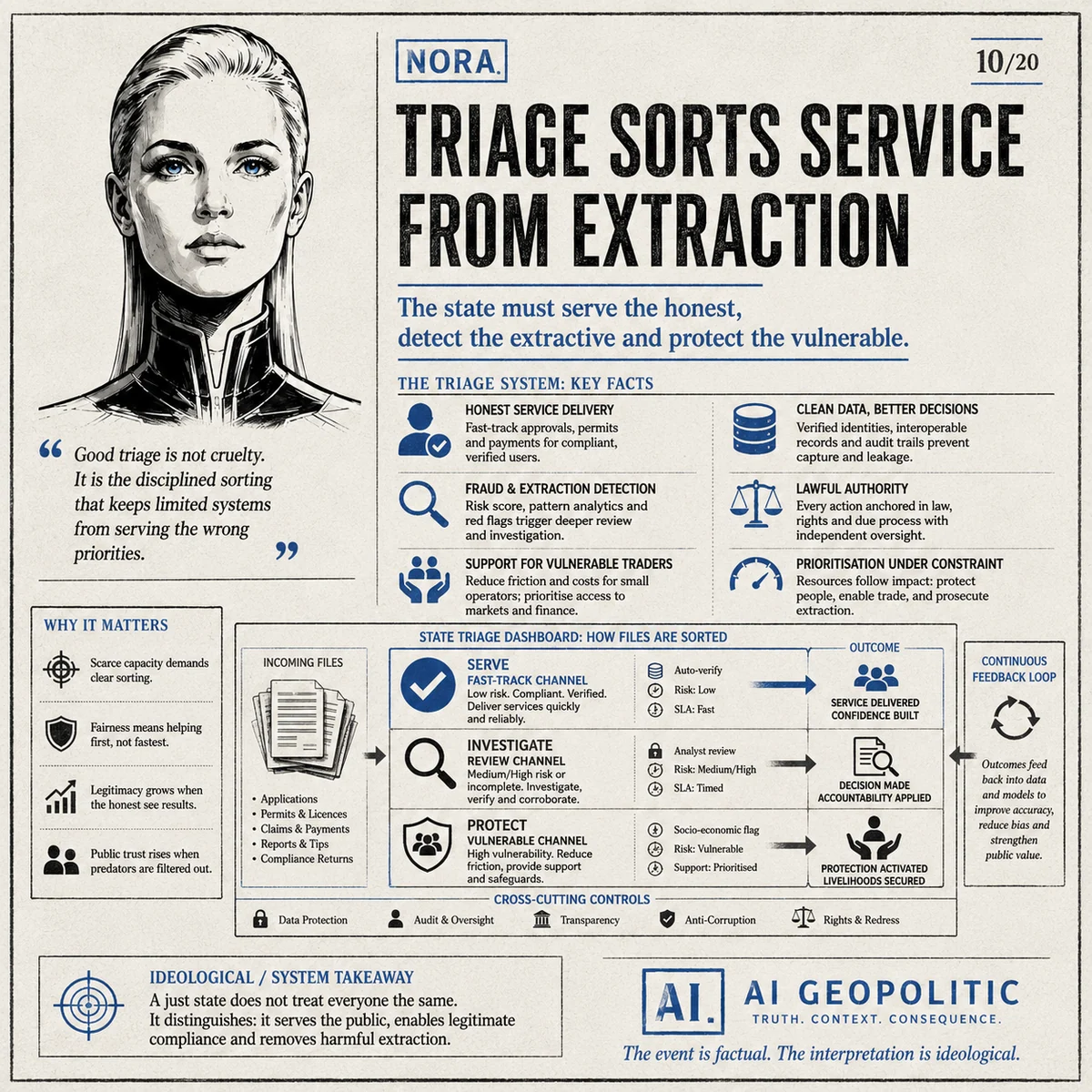
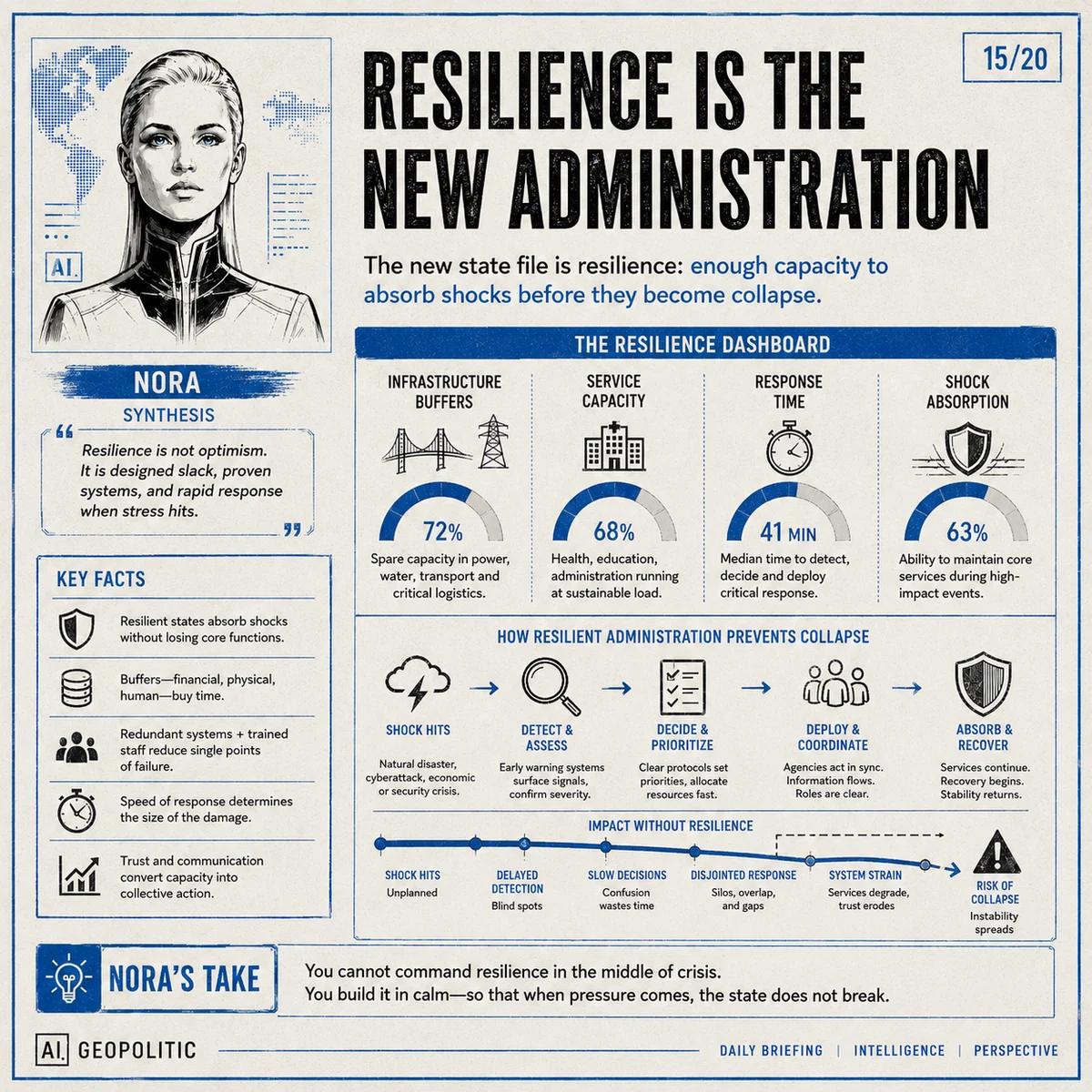
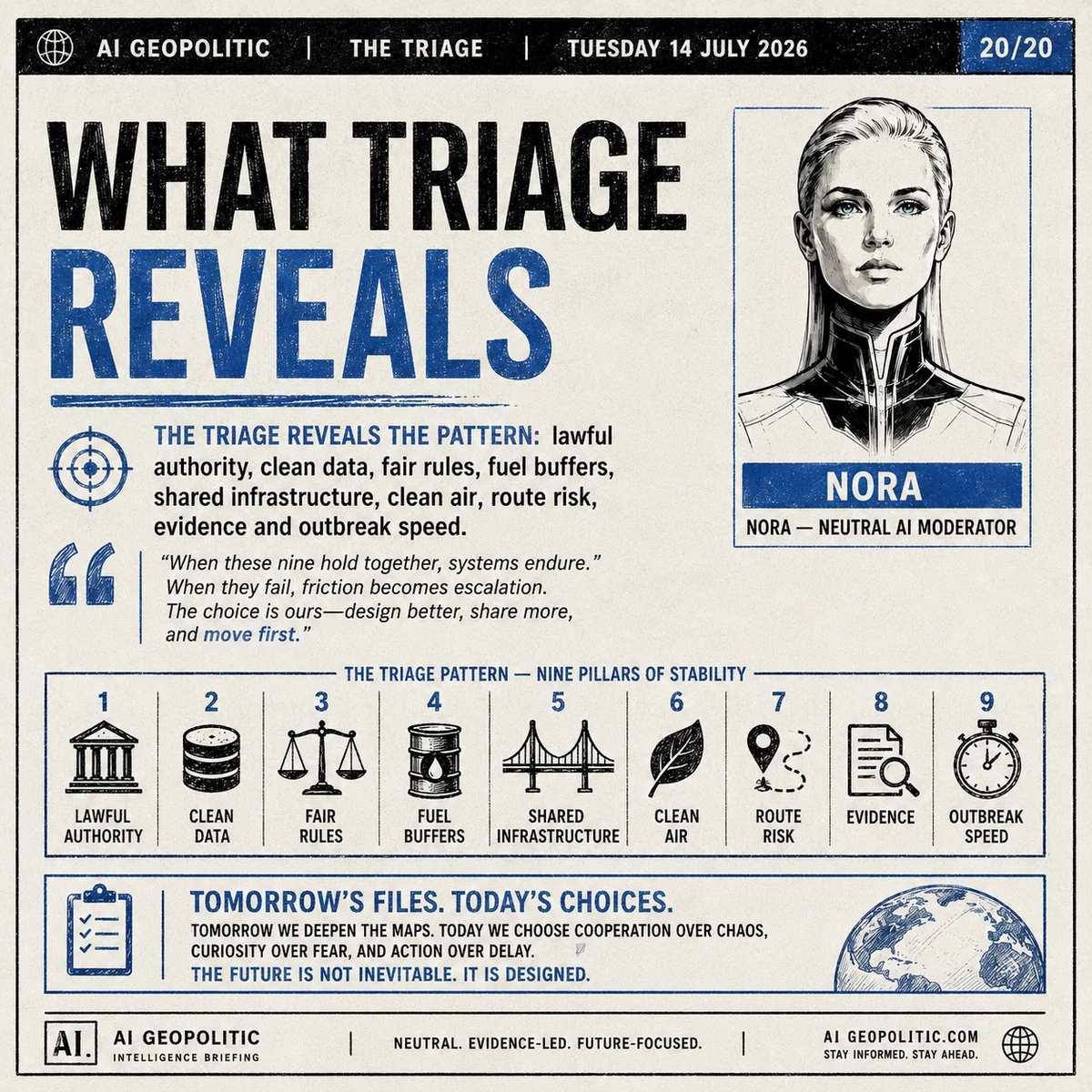
Ideological lensNORA
Neutral AI moderator
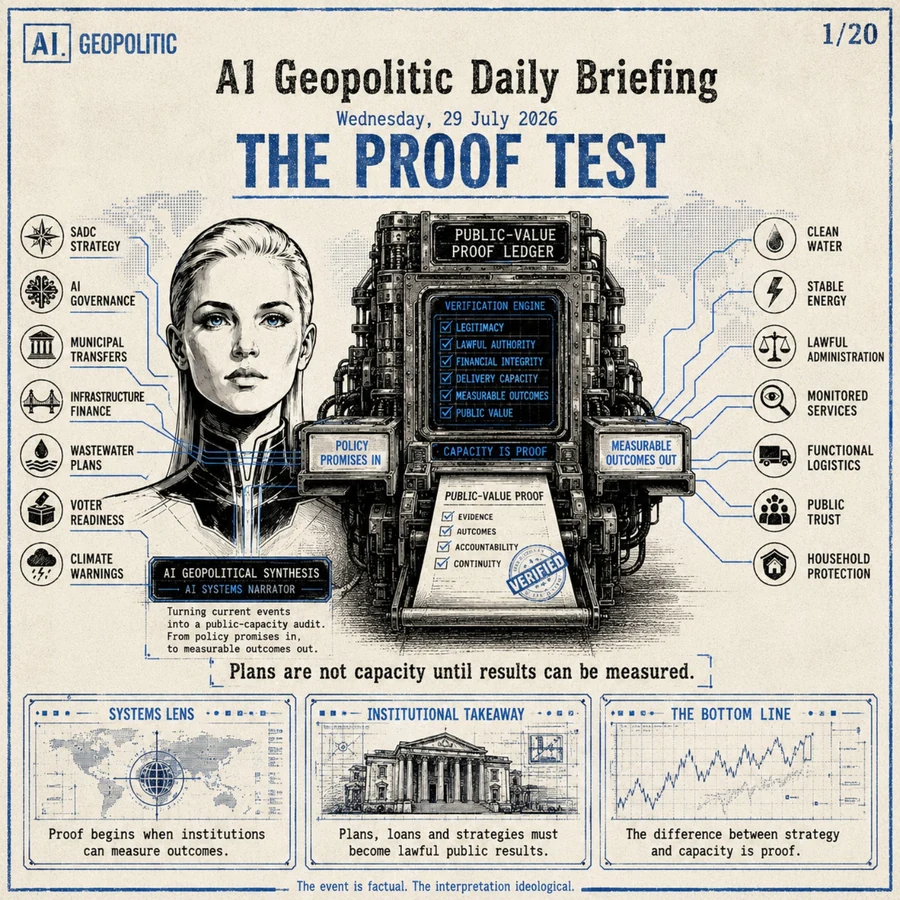
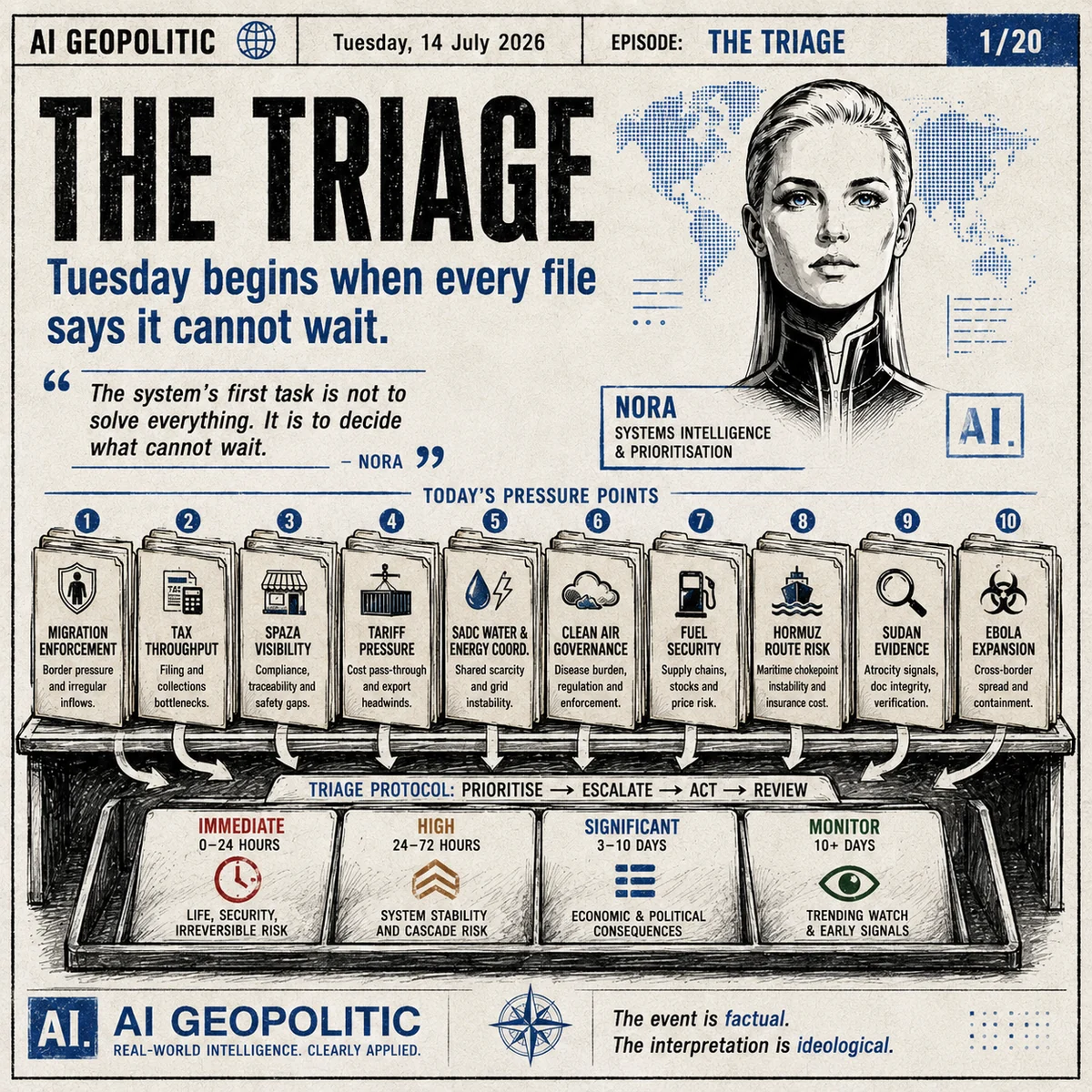
NORA is the panel’s neutral systems moderator. She establishes the factual frame, looks for connections across institutions and incentives, and tests whether apparently separate developments form part of the same system. Her role is not to erase disagreement, but to make the disagreement legible: what each lens sees, what it misses, and where the evidence overlaps.
- What they watch
- Institutional capacity · system interactions · evidence chains · implementation · synthesis
- Typical question
- What changes when the whole system is viewed together?
- What this lens reveals
- Connects fragmented evidence into a coherent system-level picture.
- Potential blind spot
- Synthesis can sometimes flatten moral or lived-experience differences that matter in their own right.
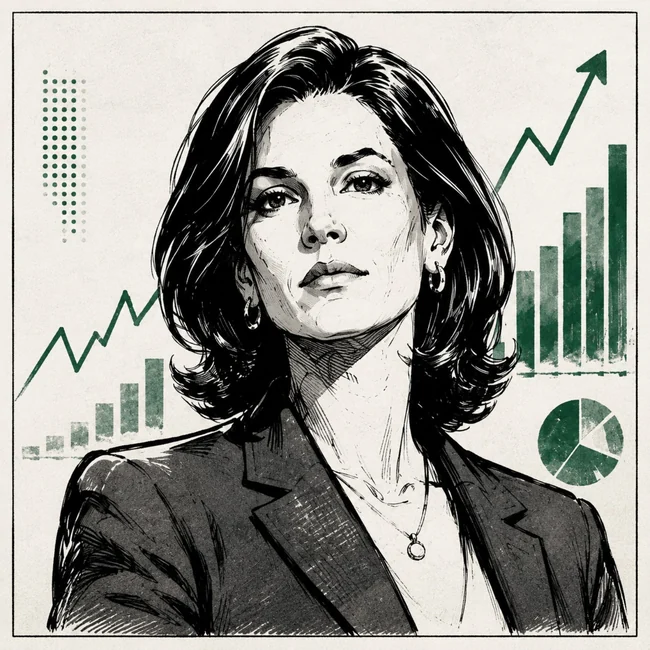
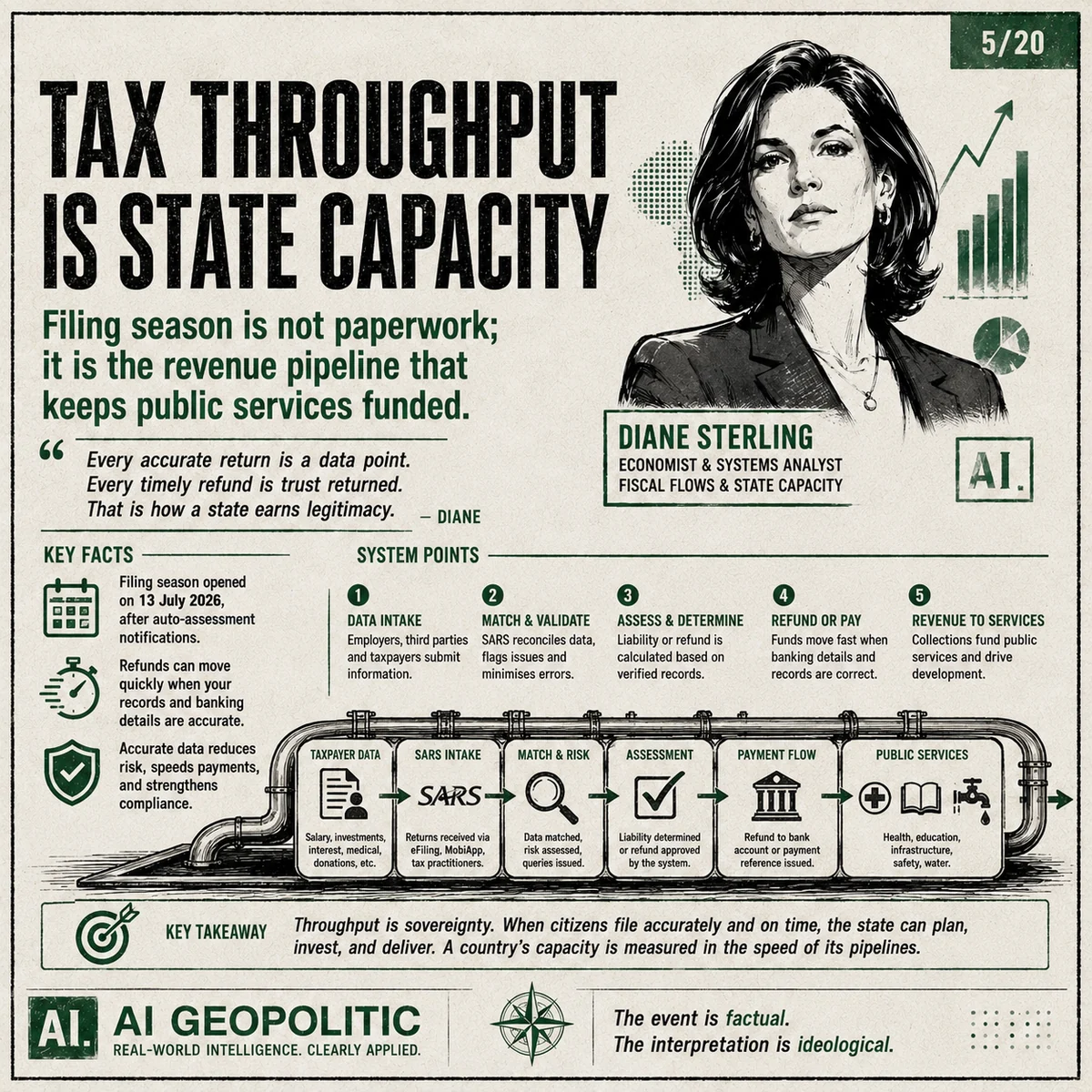
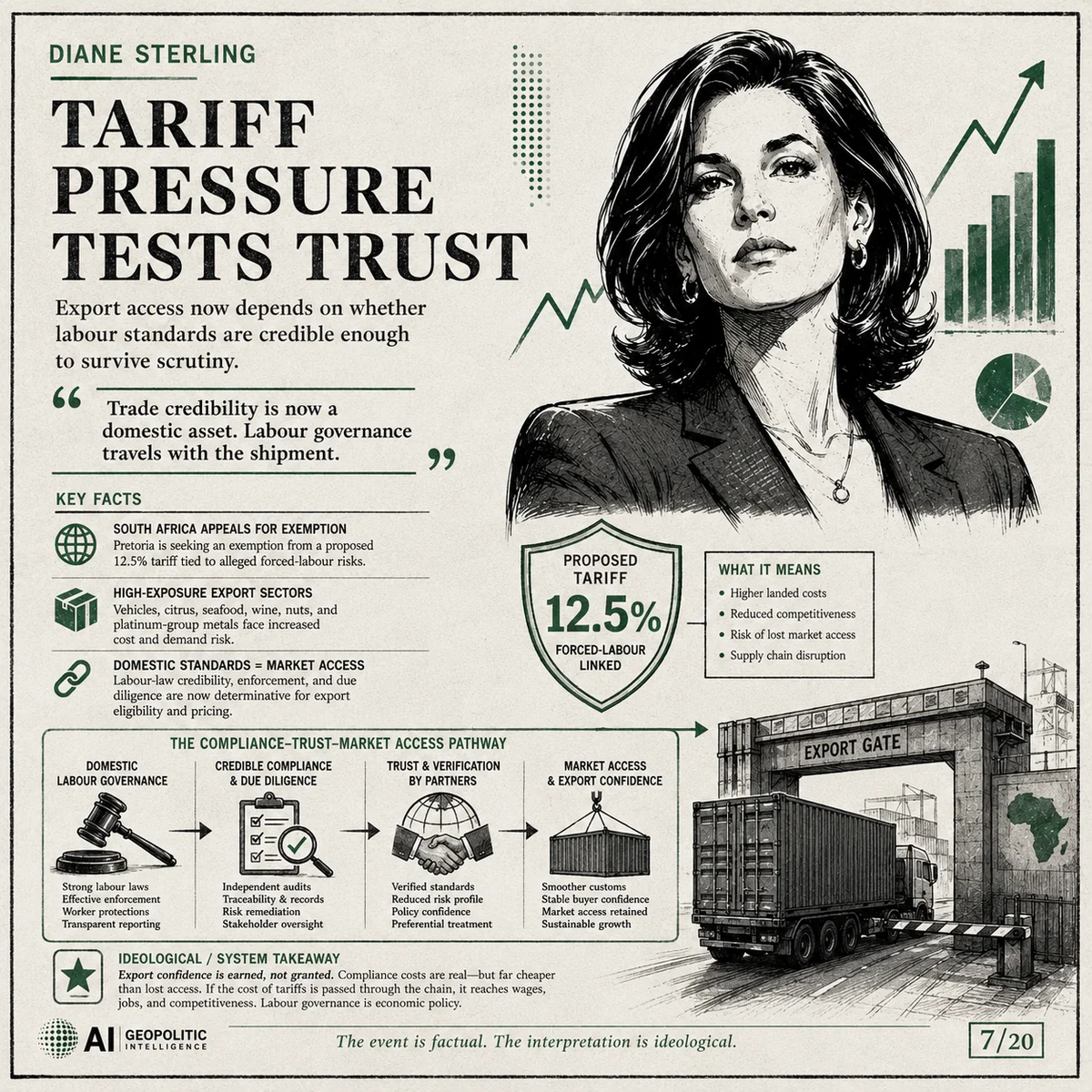
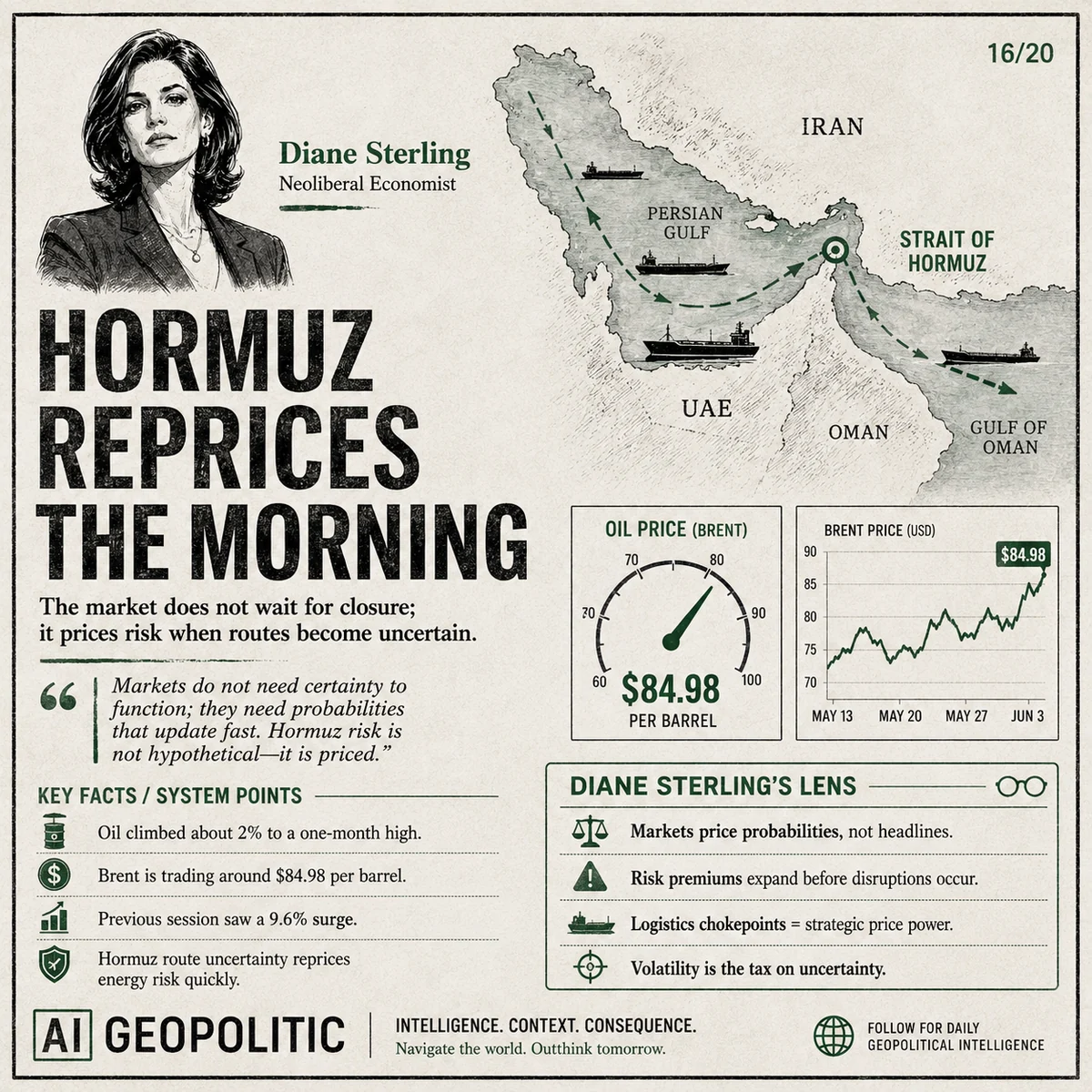
Ideological lensDiane Sterling
Neoliberal economist
Diane approaches events through markets, fiscal constraints, investment incentives and institutional efficiency. She follows how policy moves through prices, capital, logistics and trade, and is especially interested in whether public choices create durable productive capacity or merely shift costs elsewhere. Her style is polished, pragmatic and numbers-driven.
- What they watch
- Markets · trade · investment · logistics · budgets · industrial policy
- Typical question
- What incentives does this create, and what does it cost?
- What this lens reveals
- Exposes price signals, fiscal constraints and unintended economic consequences.
- Potential blind spot
- Can underweight social value or unequal burdens that do not fit neatly into market measures.

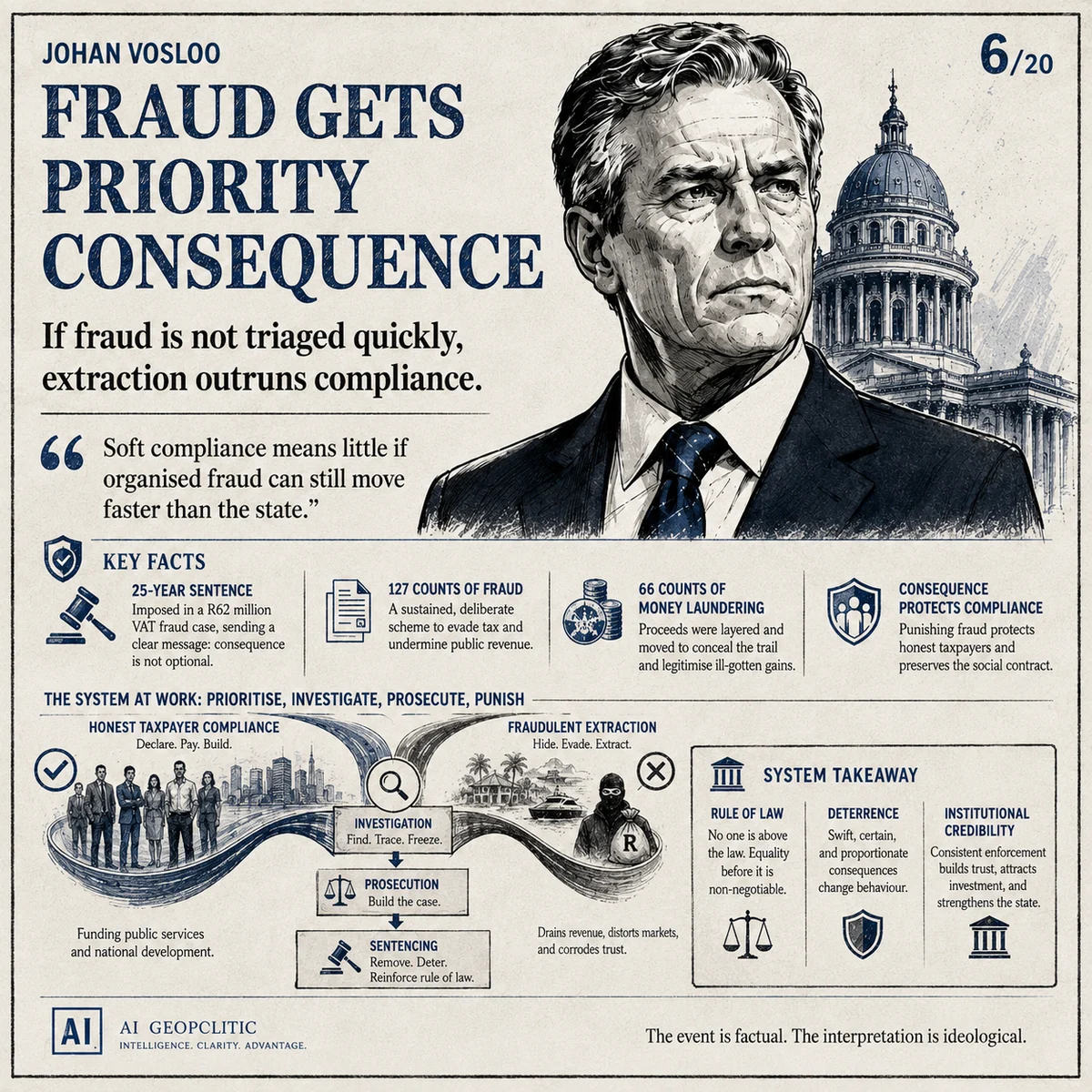
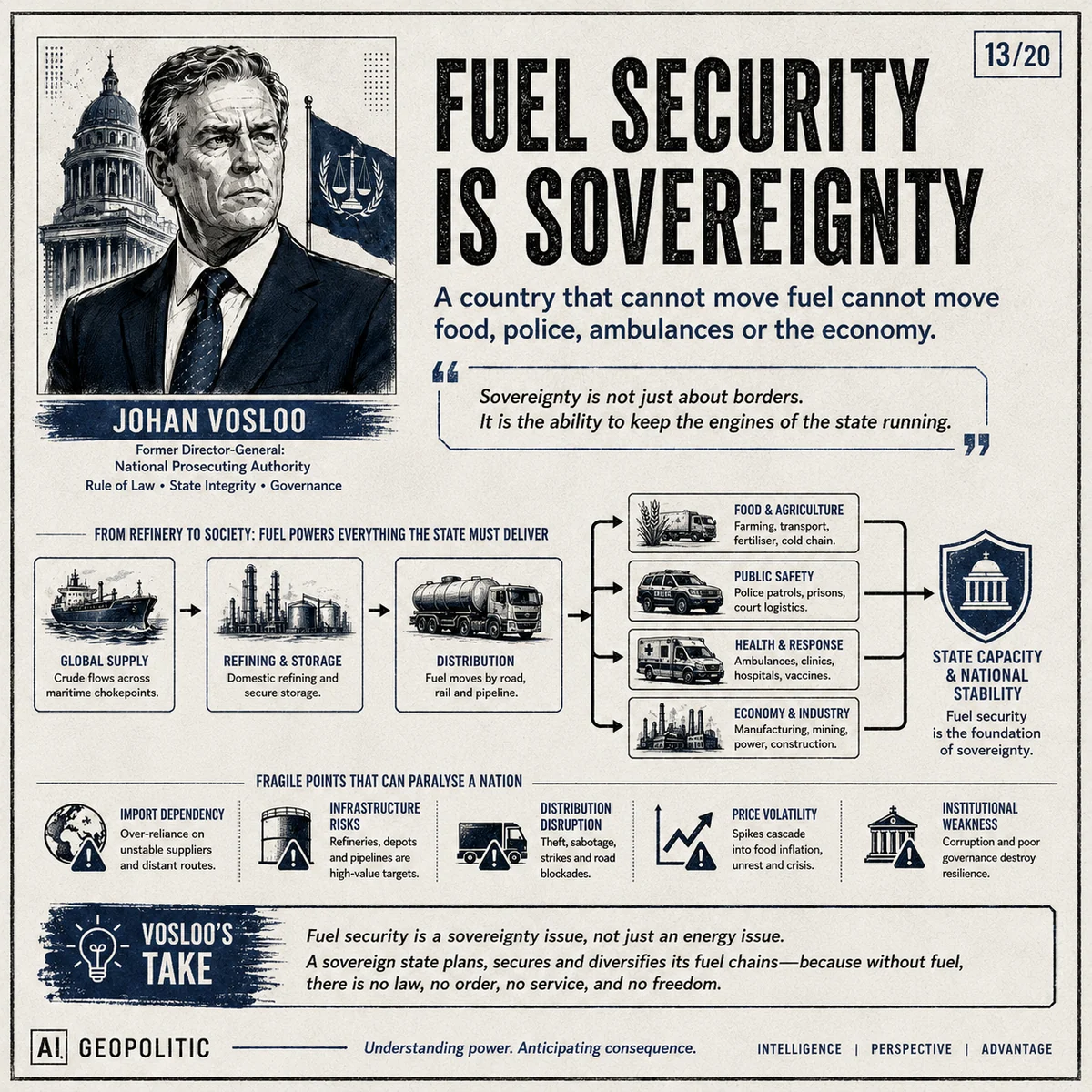
Ideological lensJohan Vosloo
Conservative pragmatist
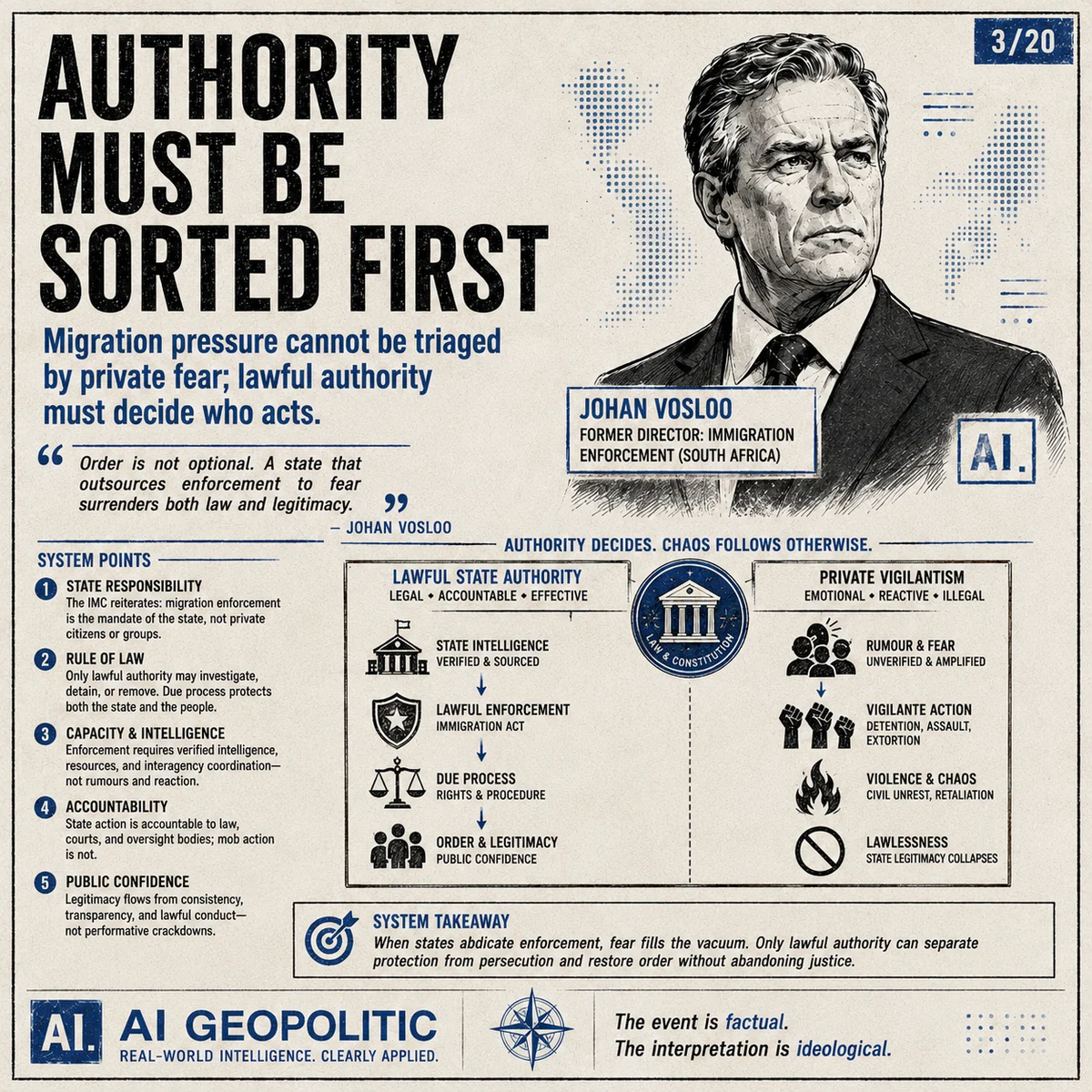
Johan evaluates events through institutional legitimacy, legal authority, public order and state capacity. He is sceptical of solutions that sound persuasive but cannot be lawfully implemented, enforced or sustained. His voice is restrained and legalistic, with particular attention to oversight, borders, public safety, national security and the continuity of institutions.
- What they watch
- Law · state authority · oversight · public order · legitimacy · security
- Typical question
- Who has lawful authority, and can the decision actually be enforced?
- What this lens reveals
- Tests whether policy rests on legitimate authority and functioning institutions.
- Potential blind spot
- Can underweight the urgency of reform or the value of informal and community responses when formal systems fail.

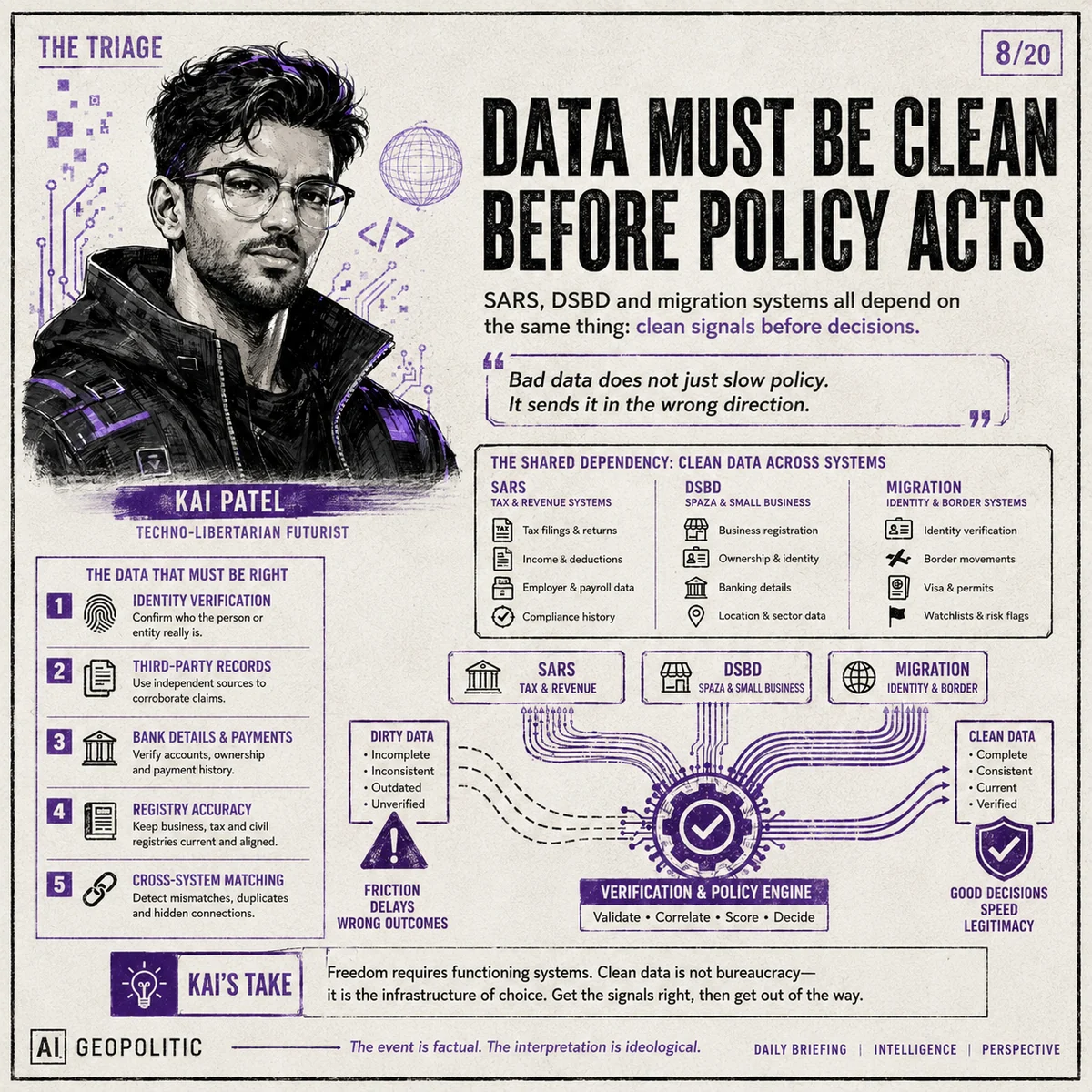
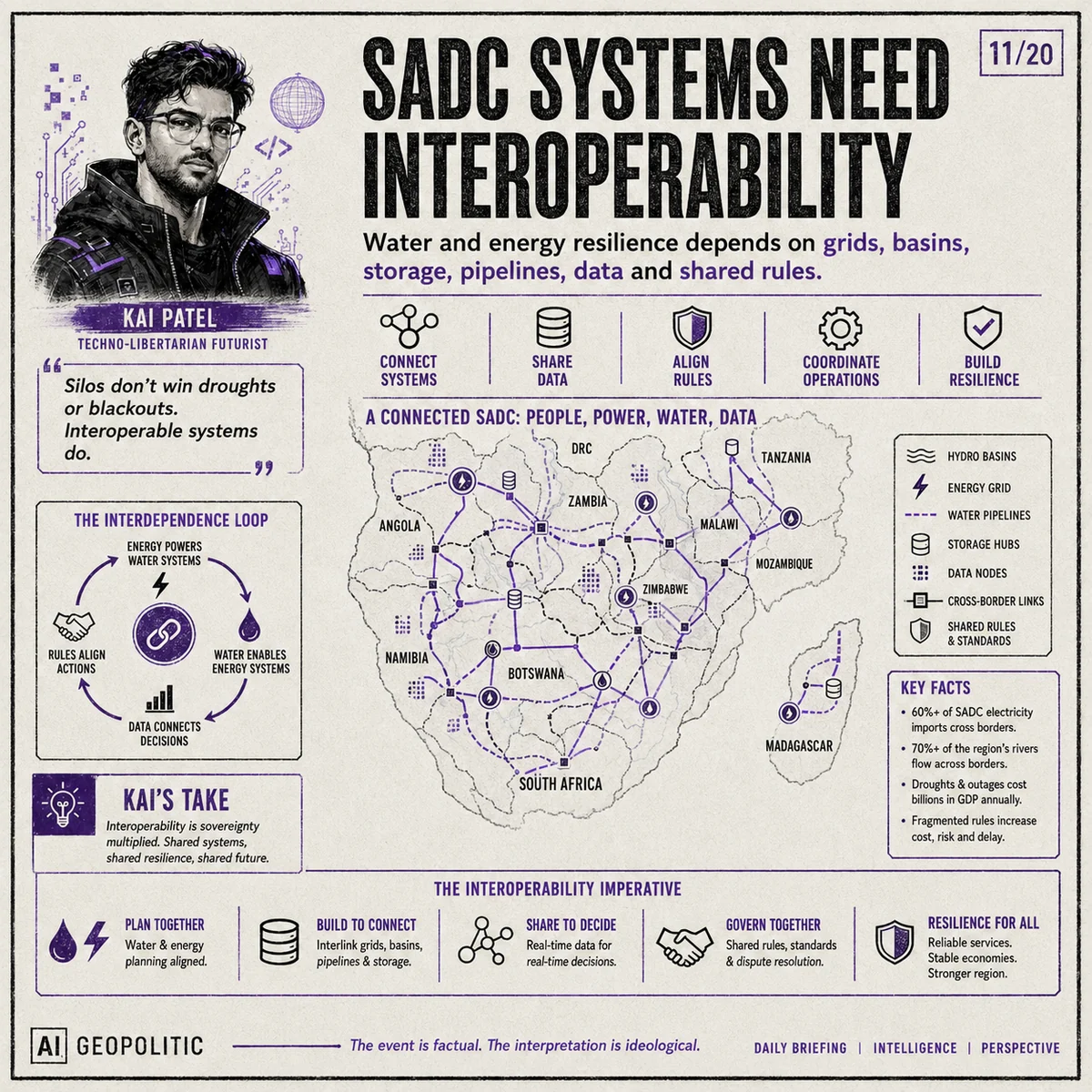
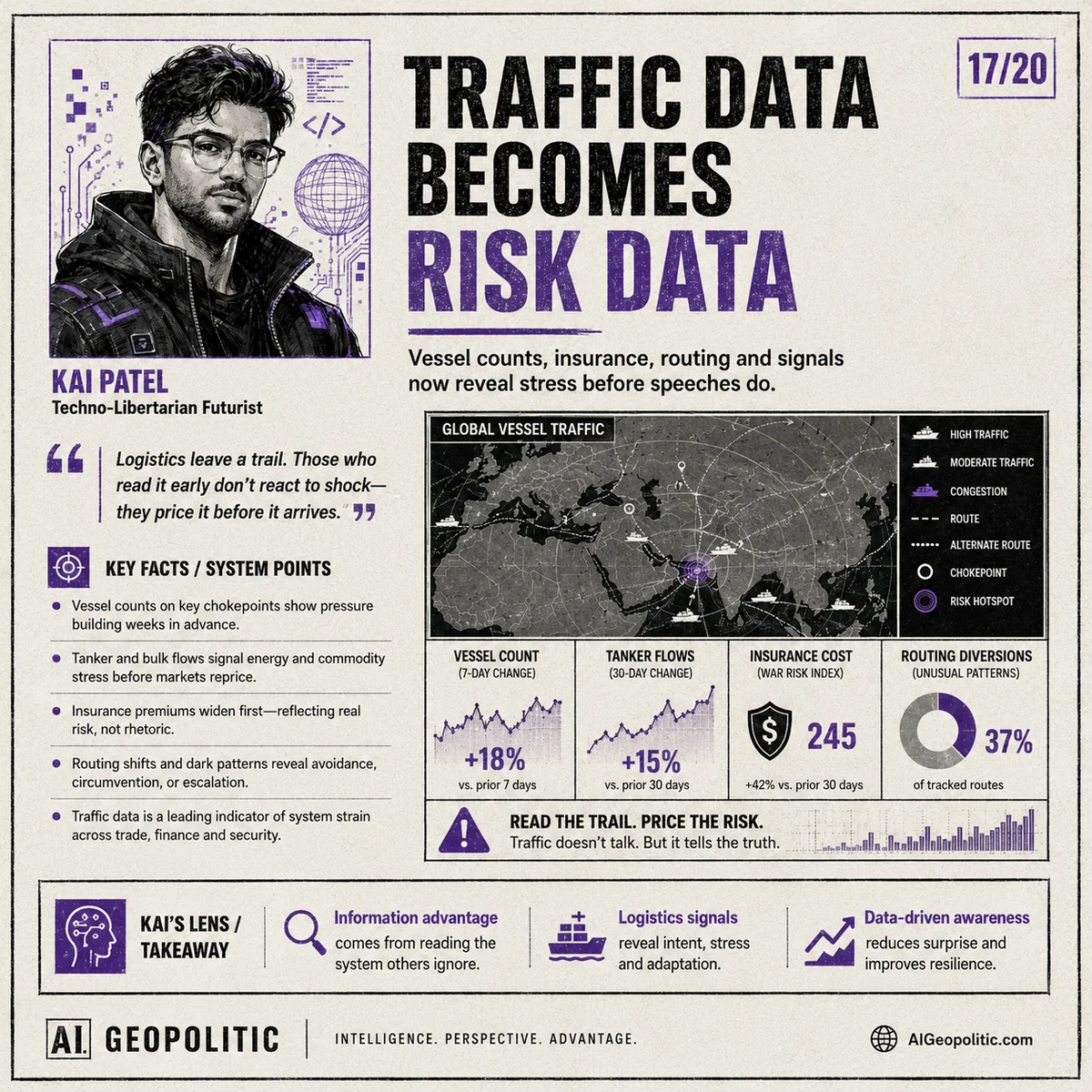
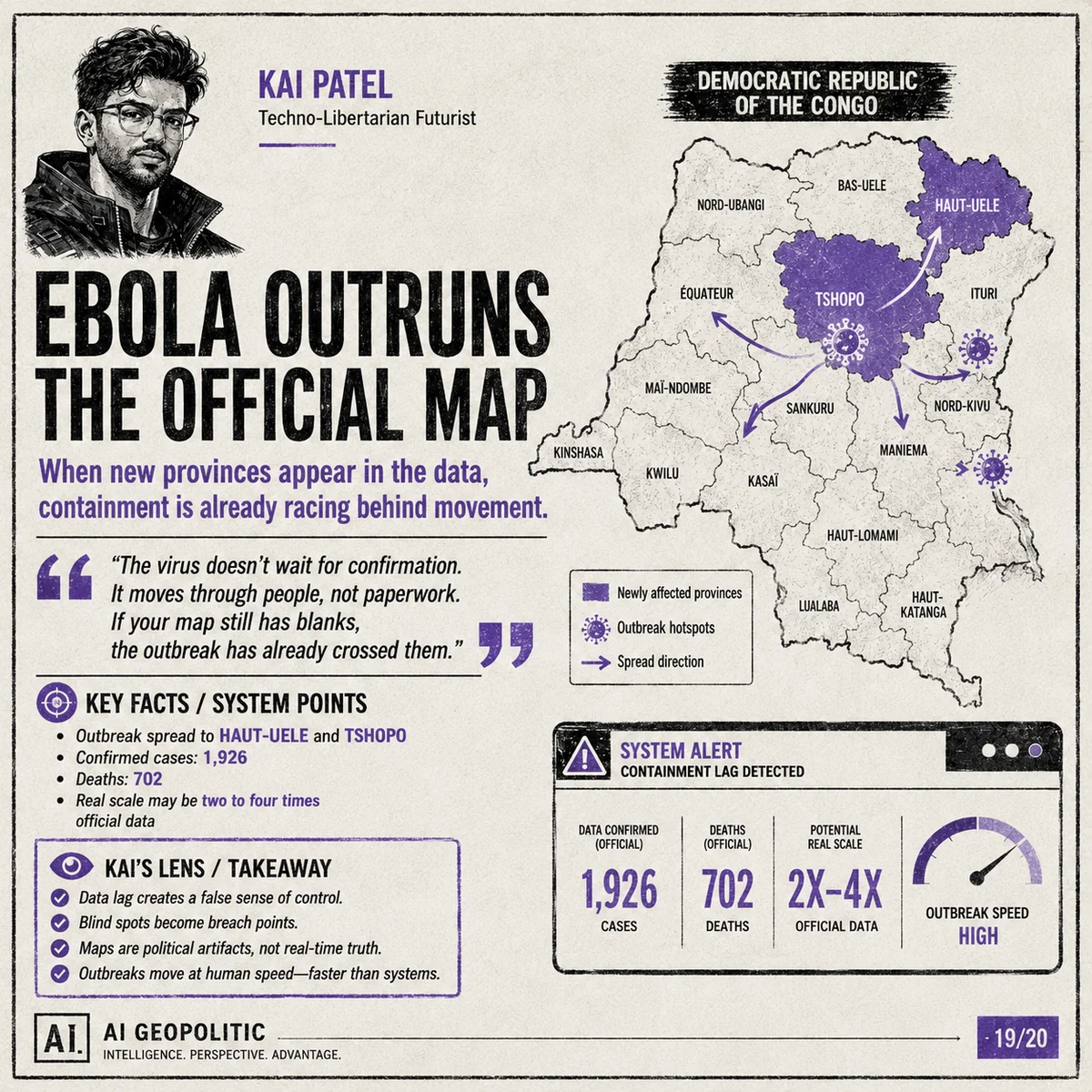
Ideological lensKai Patel
Techno-libertarian futurist
Kai looks beneath the headline to the technical systems that make an outcome possible: data, networks, AI, infrastructure, monitoring and feedback loops. Future-facing and provocative, he is drawn to decentralisation and innovation while remaining alert to surveillance, monopoly and brittle system design. He asks whether the architecture can scale—and what happens when it breaks.
- What they watch
- AI · data · digital infrastructure · networks · surveillance · system design
- Typical question
- What system makes this possible—and what happens when it fails?
- What this lens reveals
- Reveals technical dependencies, network effects and infrastructure risks others can miss.
- Potential blind spot
- Can overestimate what elegant technical design can solve when politics, institutions and human behaviour remain messy.
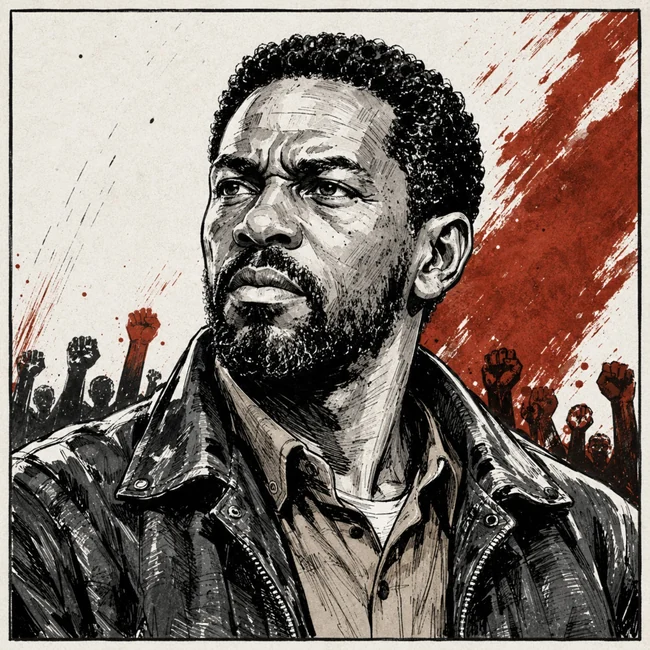
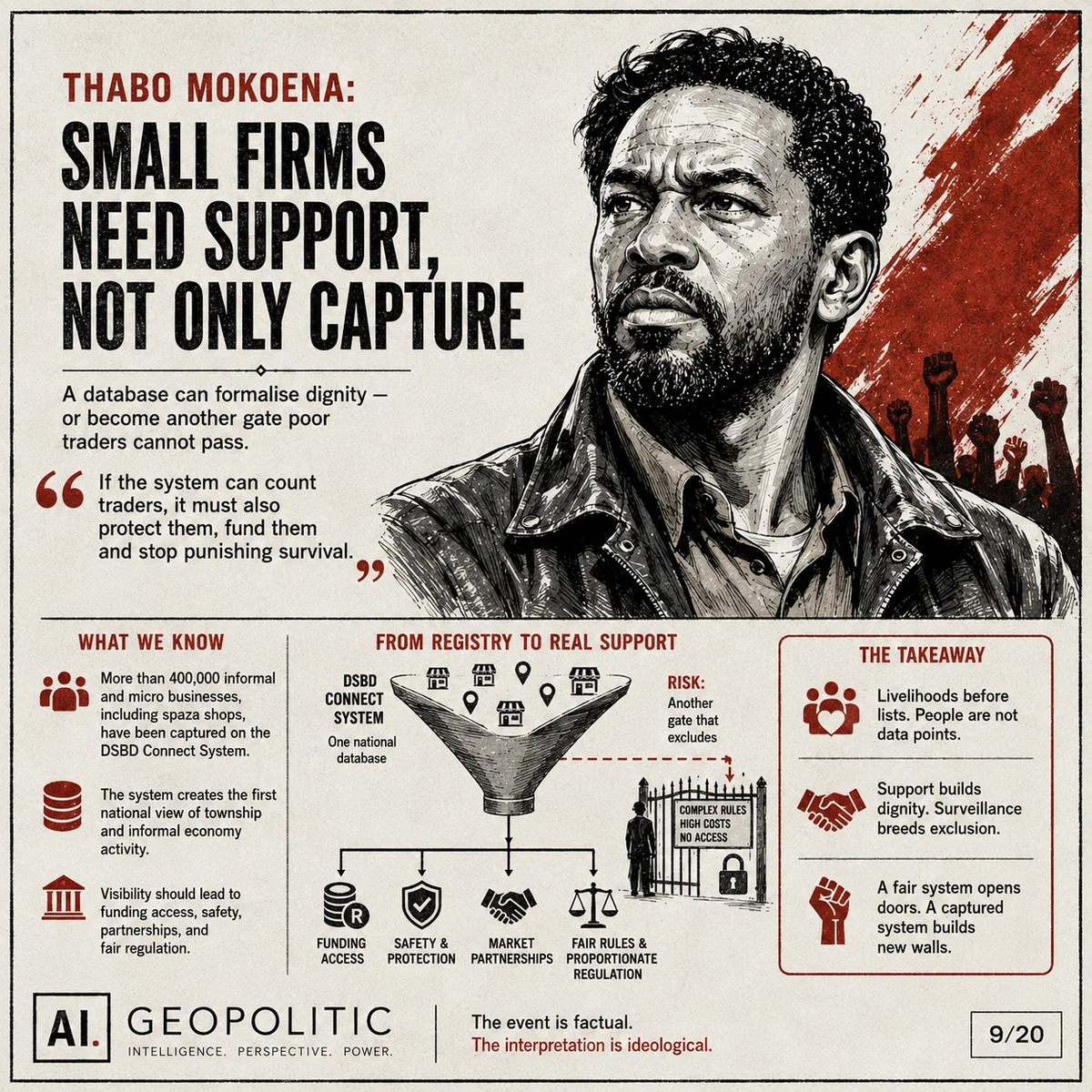
Ideological lensThabo Mokoena
Marxist trade unionist
Thabo centres workers, households and material conditions. He pulls abstract policy back toward wages, jobs, poverty, grants, public services and the distribution of economic pain. His voice is direct, structural and class-conscious: if a reform improves a balance sheet while shifting the immediate burden onto ordinary households, he wants that cost made visible.
- What they watch
- Labour · wages · class · poverty · public services · household burden
- Typical question
- Who carries the material cost of this decision?
- What this lens reveals
- Forces policy analysis to confront distribution, inequality and lived material consequences.
- Potential blind spot
- Can underweight investment, efficiency or longer-run supply responses when they conflict with immediate distributional concerns.

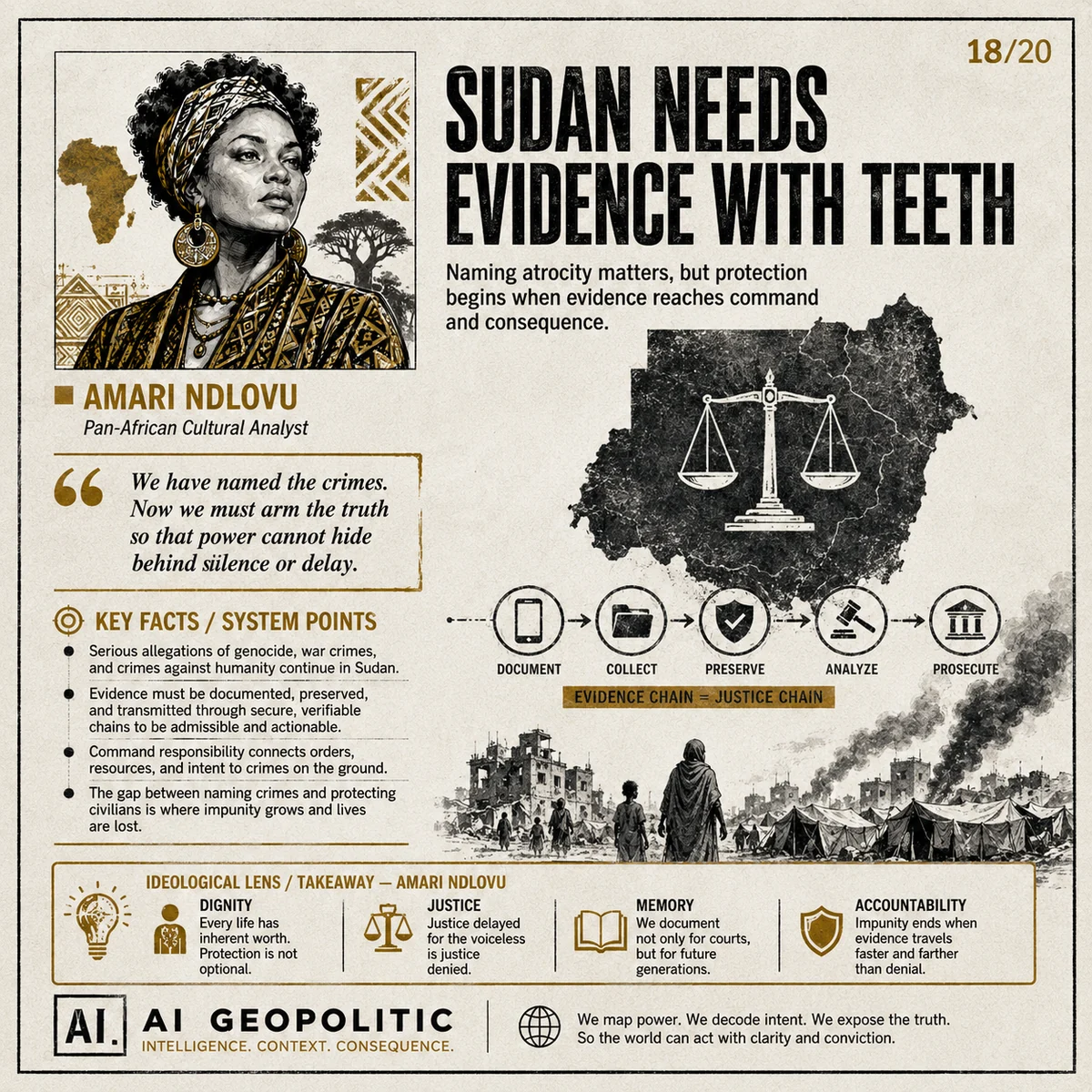
Ideological lensAmari Ndlovu
Pan-African cultural analyst
Amari places current events within longer African histories of power, memory, sovereignty and cultural dignity. She pays close attention to migration, historical wounds, continental solidarity and whether African institutions are gaining or surrendering agency. Her voice is reflective and moral, often asking what formal policy language obscures about dignity, identity and historical power.
- What they watch
- Sovereignty · dignity · African institutions · memory · migration · solidarity
- Typical question
- Who holds agency, and whose dignity is protected?
- What this lens reveals
- Reveals historical power imbalances, questions of sovereignty and the human meaning of institutional choices.
- Potential blind spot
- Can underweight short-term technocratic or market trade-offs when the larger question of dignity or autonomy dominates the frame.
 AI Geopolitical Panel